China Supplier Red Flags: 7 Signs It's Time to Switch (And How to Switch Safely)
There is a saying among experienced buyers: nobody looks for a new supplier when everything is going fine. They look when a shipment is late, a container fails inspection, or a customer starts complaining. That is exactly when a supplier problem costs the most — and exactly when a calm, prepared buyer has the most leverage.
The useful part of that idea is not the timing. It is the observation that a supplier leaves public traces, good and bad. Most of them are free to check. This guide covers seven warning signs you can verify without a flight to China, and a five-step way to switch before a small problem becomes a lost season.
Why the Best Time to Switch Is Before You Desperately Need To
Waiting until a container is stuck means accepting the first available alternative on their terms. You pay rush prices, skip samples, and give up inspection rights just to get stock moving. Buyers who switch well do the opposite: they start looking while the current supplier is still shipping, and they keep both running for one short overlap.
The signals below are arranged roughly from things you can see in public to things you see in your own orders. One signal alone is a question, not a verdict. Two or three together are a reason to line up a second source.
7 Public Warning Signs Worth Checking
1Customer complaints and negative reviews cluster around one issue
Search the supplier's product name and company name on marketplace review pages, trade forums and independent review sites. A handful of complaints is normal. The same complaint repeating — leaks, wrong capacity, odour, paint rubbing off — across months and different buyers points to a process problem nobody is fixing.
2Customs records do not match what they claim
Public shipment databases show who a supplier actually exports to, how often, and under what description. A factory that says it ships to major retailers but has no visible export history — or ships only tiny, irregular consignments — is telling you something. Conversely, a sudden drop in shipments can mean lost capacity or cash trouble.
3Product-recall news or regulatory notices mention them or their output
Recalls, safety notices and quality warnings are public and searchable. Even when your exact SKU is not named, a pattern of complaints around a material or a coating used by that supplier is worth a direct question. How they answer matters more than the article itself.
4Job postings and hiring patterns change suddenly
This one is easy to miss. A supplier quietly cutting production staff, repeatedly reposting the same role, or advertising far fewer positions than its claimed output suggests can be a sign of reduced capacity or cash pressure. Rapid hiring of a different kind of staff can mean the business is shifting away from your product line.
5The same defect returns after they promised a fix
Occasional defects happen in any production run. The dangerous pattern is the same fault across three orders, each time blamed on workers or raw material, with no documented corrective action. That means the cause was never isolated, and the next order will be the same.
6Delivery dates keep sliding without a clear reason
One delay around a holiday is understandable. Repeated last-minute changes, vague lead times, and excuses that shift each time usually mean weak planning or a capacity ceiling they are not telling you about. Late shipments during peak season are the most expensive kind.
7They refuse transparency — audit, licence, or written confirmation
Refusing a third-party inspection, dodging a factory video call, declining to share a business licence, or insisting everything stays verbal is the clearest group of signals on this list. A supplier with nothing to hide treats verification as routine.
A Five-Step Way to Switch Without Losing Stock
Knowing it is time is only half the job. Moving an active SKU too fast can create the very stock-out you were trying to avoid. This is the sequence we recommend to buyers, in order:
- Document the problem while things are calm. Keep defect photos, inspection reports, missed ship dates and the email trail. You need facts for the new supplier and a clean handover.
- Lock a golden sample and a written spec. An approved physical sample plus a signed specification for that exact SKU means the new supplier builds to the same standard, not a cheaper interpretation of it.
- Run a small pilot with third-party inspection. Order 10–20% of your intended volume and inspect it to an agreed AQL before paying the balance. Never move a full container on a promise.
- Overlap the two suppliers briefly. Keep the old one shipping while the new one proves a pilot. A short overlap costs far less than a holiday-season stock-out.
- Transfer the balance after two clean shipments. The pilot and one repeat order are your evidence. Keep the written spec and inspection rights in place for the long run.
What a Lower-Risk Alternative Looks Like
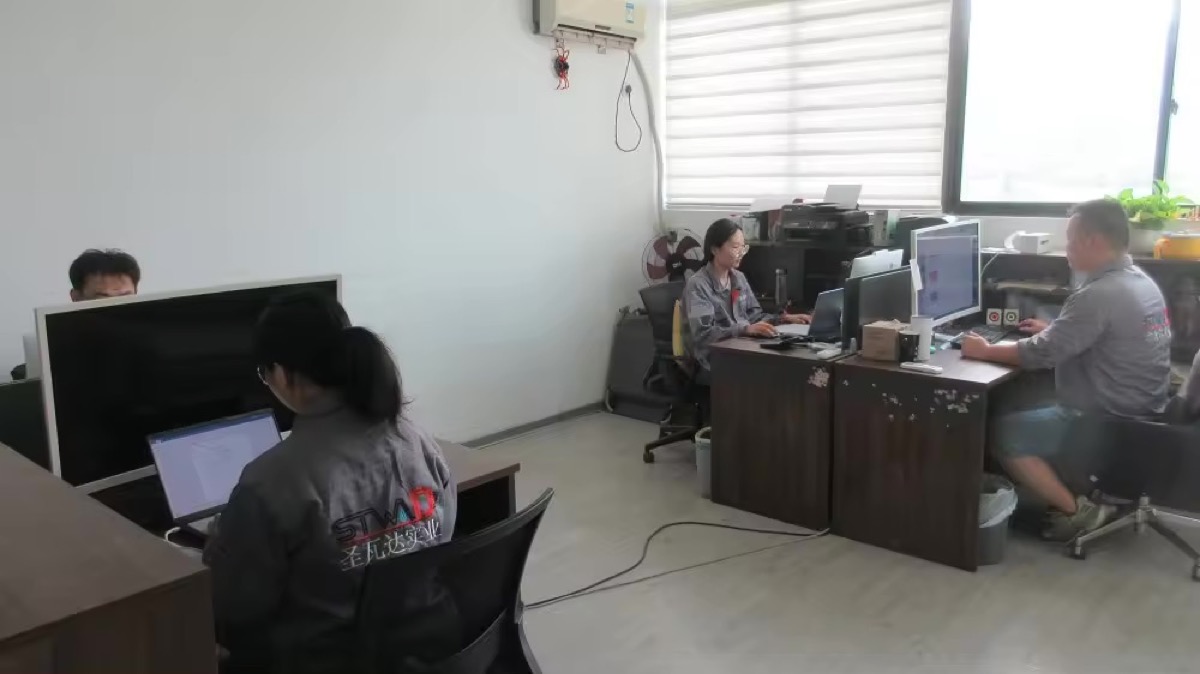
A supplier who is easy to verify removes most of these problems at the source. That is the part of sourcing we would want checked if the roles were reversed. STWADD is a factory-backed supply company and also runs a China buying office for buyers sourcing across categories. What we can put on the table, and invite you to verify:
- A verifiable registered address. Our owned sixth-floor office is our registered address and matches our business licence — a third party can check it. We also have our own warehouse space holding stock.
- Named production, not a mystery factory. Goods are made to our specification by the audited partner factories we work with directly. We tell you which part is our operation and which is our partners; we do not claim a factory we do not own.
- Proof before production. Our own laser sampling machine sits in our office for testing and free samples. Factory audits and third-party pre-shipment inspection to an agreed AQL are routine, not a favour.
- One container, many suppliers. If your products span several factories, our buying office consolidates them into a single shipment with a transparent 3–5% commission — no hidden trading markup on top.
- In person, not just on screen. We exhibit at trade shows in Asia and the Middle East and hold buyer meetings there. Ask to see the photos and the interview; we would rather be checked than trusted blindly.
None of that asks you to take our word for it. It is a list of things you can confirm with a licence check, a video call, a sample and an inspection — the same checks this article recommends for any supplier.
Put us on your shortlist — and check us properly
Send us the SKU you are having trouble with, your spec and your target quantity. We will tell you plainly what we can make to that spec, send a sample, and let you audit before any bulk order.
Email bob@stwadd.com WhatsApp +86 150 8822 8843 Prefer to see the range first? Open the current catalogue (no price list inside).Quick FAQ
- What is the single biggest red flag? No verifiable business licence, or pressure to pay a personal account. Either one is a reason to stop.
- Can I check a supplier without going to China? Yes — verify the licence on Qichacha/Tianyancha, reverse-image-search their photos, ask for a live line walkthrough, call their references, and pay for independent pre-shipment inspection.
- When should I start looking at alternatives? When the same defect repeats, dates drift, or an audit is refused — while your current supplier is still shipping well enough to cover an overlap.
- What AQL should I use on a pilot? Agree it in writing before production; AQL 2.5 for major defects is a common starting point for consumer goods. Make the balance payment conditional on the inspection report.
- Do public records actually help? They will not prove a case alone, but complaints, recall notices, shipment records and hiring patterns together give you a reliable picture of whether a supplier is stable and transparent.
Related Reading
How to Verify a Chinese Factory · Our China Buying Office · MOQ and Tooling for Private Label Drinkware · All buyer's guides